

How Often Should I Get My Tires Aligned?
As part of regular maintenance on your vehicle, it is essential to get your wheels aligned. A wheel alignment helps to square your vehicle and ensure that your tires all point in the same direction. It helps to extend the life of your tires and keeps you safer on the road by helping your vehicle handle unexpected road conditions better. If the wheels are not properly aligned, it can affect how the vehicle handles on the road. Learn what a tire alignment is, why it is important, reasons tires can lose alignment, and signs you need an alignment.
What Is a Tire Alignment?
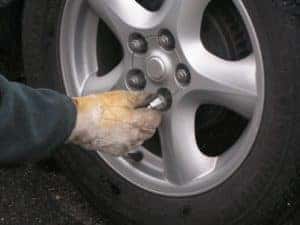
A tire alignment is the process of bringing your wheels, suspension, and other components into their proper positioning. A wheel alignment is done using an alignment machine that measures wheel angles, and then the technician compares those to the original specifications. If they aren’t the same, adjustments are made to ensure that your tires meet manufacturer recommendations.
Wheel Alignment and Your Vehicle
A wheel alignment is one of the most important maintenance services on your vehicle. As part of responsible vehicle ownership, getting your wheels aligned periodically helps to ensure your vehicle handles properly. If your tires are misaligned, the vehicle will pull slightly or drastically in one direction, causing uneven wear on your tires and the internal components of your vehicle. This can affect your driving, making it harder to stay in a lane, drive effectively on a straight road, or make turns while staying in your lane. It complicates the driving experience and makes operating your vehicle riskier, jeopardizing your safety.
Reasons Tires Can Lose Alignment
Tires are constantly in motion and are one of the most important parts of your vehicle. They function to grip the road, can affect your mileage per gallon of gas, and are crucial to keeping you and other drivers safe. No matter how careful you are and how well you care for your vehicle, misalignment can happen as part of the normal wear and tear on your vehicle. Some common factors that cause your tires to lose alignment are:
- Unavoidable impacts: All roads are not equal. Bad roads have potholes, cracks, and are uneven. These driving conditions impact your vehicle’s performance and over time can cause serious misalignment issues.
- Changing tires: New tires can improve your vehicle’s overall performance and look. The new tread and stronger grip could even throw your vehicle out of alignment because the new tires will ride differently than the old ones. When getting your tires changed, be sure to also get an alignment.
- Regular driving: A vehicle’s components wear out over time because of road conditions, road salt, heat, and the outer elements. Rubber breaks down and joints loosen.
Other things that can affect wheel alignment include:
- Driving over potholes.
- Hitting curbs or other road debris.
- Accidents.
- Faulty shocks.
- Bad struts.
- Modifications.
Signs You Need an Alignment
Sometimes it is hard to tell if the wheels on your vehicle need an alignment. Although it is good practice to include an alignment as part of your regular maintenance routine, there may be times when your vehicle tells you it is time for an alignment. Indications that you need to schedule an appointment for a tire alignment include:
- Pulling in one direction: Whether you feel your vehicle slightly gliding to one side or a drastic pull, it may be a sign you need to get your tires aligned. Because this can also happen when one or more tires are underinflated, you should also check your tire pressure. Even a slight misalignment can also impact your vehicle’s performance.
- Steering wheel vibrations: The steering wheel vibrating while your automobile is in motion can be a solid indication that your wheels need an alignment. The vibrating happens because your wheels are pulling in opposite directions.
- Visible uneven tire wear: The wear on your tires should be a good gauge on whether or not your tires are misaligned. The problem is if you wait for your tires to show an indication of uneven wear, you risk the integrity of your tires. Getting your tires balanced will also help the performance of your vehicle.
- Car vibrating on the road: If you’re driving on fairly level pavement and feel your vehicle vibrating more than it should, the shaking could be an indication that your wheels are not properly aligned.
- Crooked steering wheel: A steering wheel that is off kilter or feels crooked could be a sign that you are compensating for a misalignment without being aware of it.
Tire Alignment Schedule
The timeline for when it is appropriate to get your tires aligned will vary for a number of reasons. Most manufacturers and automotive experts recommend vehicle owners get a wheel alignment every six months or 6,000 miles. This averages out to one time every two oil changes. Your individual vehicle’s alignment needs will vary depending on your driving conditions, driving habits, and how frequently you use your vehicle. Even something as simple as the type of tires you have can impact how often your vehicle will need a wheel alignment.
Other circumstances or repairs will also cause you to need to get your tires aligned. If you purchase a new set of tires, experience a fender bender, or run over some road debris, you may need to get your alignment checked. Here at South Park Nissan, we offer tire alignment services. An average wheel alignment can take up to an hour. If more parts need to be replaced, it may take a bit longer. Our skilled and friendly technicians will work hard to ensure your vehicle is in the best shape possible to get you back out on the road safely.
So there you have it. South Park Nissan has just shared with you the ins and outs of tire alignment. This simple routine maintenance can help you extend the life of your tires and keep you safe on the road. If your vehicle is showing signs it’s time for an alignment, contact us to schedule your service.